Dayton Hall
Live oak lined road to
Drayton Hall.
Drayton Hall is the oldest unrestored plantation house in America that is open to the public. It is considered one of the best examples of Georgian-Palladian inspired architecture. Drayton Hall has been a rice plantation, a military headquarters, a strip mining site, and a country retreat. It has survived the Revolutionary War, the Civil War, the Earthquake of 1886, Hurricane Hugo, and urban sprawl!
Hand-carved fox on the overmantle in the downstairs hall.
A small section of the downstairs withdrawing room ceiling; one of only a few examples of a completely intact hand-carved, hand-cast plaster ceiling from the 18th century.
Doorjamb where the Draytons kept track of the heights of their children. The last heir had no children so she cheated and added the height of her dogs!
Stairway used by servants leading upstairs; the only stairway that went from the basement to the second floor.
The bricks of this plantation house were made by the slaves who lived on the grounds. This brick has the fingerprints of the person (maybe a child) who took it from the mold. Can you see them on the right?
Carving on main staircase.
Basement floor
Scott is hulling the rice using a mortar and pestle much like the slaves on Drayton Plantation used. After it was hulled, it was put in a large flat fanner basket used to winnow the rice.
Following the Civil War phosphate was mined on the grounds.
Magnolia Plantation and Gardens
Cypress and live oak lined road to Magnolia Plantation also owned by the Drayton family.
Magnolia Plantation House
Horticultural Maze
There are many beautiful, blooming azaleas in this maze. John Grimke Drayton introduced the first azaleas to America and was the first person to plant them outside. In 2010 Magnolia Gardens identified 15 varieties of Indian Azaleas previously thought to be extinct. They are now propagating them to share with other preservation-minded gardens across the nation.
The White Bridge
Peacocks
Miniature Pony
Romantic Garden
Camellia, 20,000 on display. Magnolia Gardens had the most extensive camellia collection prior to the Civil War. Ancient Camellias (pre 1900) are the speciality of Magnolia.
is one of the last large scale Romantic Gardens in the United States. Romantic gardens are designed to surprise, to take the viewer to a place where emotion takes precedent over reason.
The Nature Train
Cypress swamp
The green on top of the swamp water is duck weed.
Cypress knees.
The black vine on this tree is poison ivy; the leaves are gone but the vine is still poisonous.
Spanish moss - it's not Spanish, it's not moss... but it is related to the pineapple!
Alligator sunning on a wooden dock designed just for him.
Slave Quarters
Huge azalea bush covered with blooms!
Pyracantha
See the green line on the grass on the opposite side of the river? It's the high tide line.
Egret
More 'Gators!
We were really quiet and this alligator remained motionless. It's the closest I've ever been to an alligator!
Angel Oak Tree

The Angel Oak Tree is estimated to be 400 to 500 years old, stands 66.5 feet tall and has a circumference of 28 feet. From tip to tip the longest branch is 187 feet.


Downtown Charleston Architecture

This fence would definitely keep trespassers out!
This was really an interesting feature of southern homes in Charleston. The "front door" led to a porch that usually faced east, then another door on the east side entered the home. If the house had more than one family then there would be several front doors on the east side porch.

This door leads to a porch but notice the gas light and the fire insurance mark. Many of the older houses in Charleston had their history posted beside the front door.
We saw many older homes where this vine grew on the rise of outdoor steps.
Rainbow Row
A series of thirteen houses, many with common walls painted in pastel colors.
Waterfront Park
Pineapple Fountain
Circular Congregational Church
Scott and I went to The Sound of Charleston, from gospel to Gershwin. It was an amazing night of music that defines Charleston and it's unique southern charm.
Saxophone player, Lonnie Hamilton, was unbelievable; as a senior in high school Lionel Hampton listened to him play and invited him to join his band. He just needed to be in Virginia on the following Monday. He went home, told his mom, and she replied, "you're going to college!" And that was the end of that! He was a high school band director for over 20 years.
The program ended with Amazing Grace. In 1749, John Newton worshipped at this church and was inspired by the sermons he heard to write one of America's favorite hymns.
This is the fence outside the Magazine decorated for Christmas.
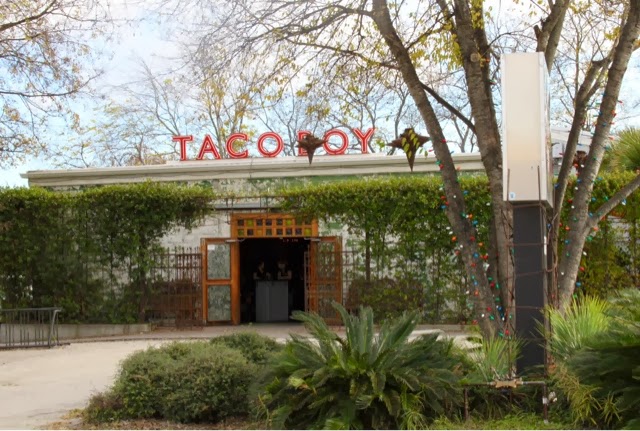
We had lunch on the patio; the temperature was in the 80's. I had a shrimp taco and an avocado taco, both were delicious! Scott had beef and chicken! Yum!
Sweetgrass Basket Makers
Along a seven mile stretch of the Sweetgrass Basket Makers Highway (Highway 17) near Mount Pleasant many little stands are set up by artisans who sell their sweetgrass baskets. Most of these women (and a few men) have been making baskets since they were 5 or 6 years old. The baskets are made from sweetgrass, bulrushes, pine needles, and woven together with palm.
They slip an old, rounded spoon handle between the grasses to make a hole for the palm to go through as they sew the basket together.
Holiday Festival of Lights
These soldiers lined the entrance.
There were themes throughout the park including Under the Sea, Outer Space, Dinosaurs, Patriotic, and Santa's Toyland. My favorites were two children throwing snowballs at each other and Noah's Ark with at least 20 pairs of animals! Scott liked the two Charleston Bridges over a pond reflected in the water.
They had light displays for everyone... here the dish runs away with the spoon! All the nursery rhymes were depicted. Little Miss Muffet, Little Boy Blue, Jack Be Nimble, Peter Peter Pumpkin Eater, Old Woman Who Lived in a Shoe, and on and on!
I loved this one because of the depth it shows.
The 24 th annual
Festival of Lights was at James Island County Park and had 700 light displays! Including a carousel, climbing wall, giant greeting cards (one painted by each area school), Santa, and marshmallow roasting.
Roasting marshmallows.
I like the icicle lights on this tree.
Mount Pleasant KOA